

December Diet
reading, eating, wearing, watching


Here is my monthly “diet” of things that have either occupied my thoughts, moved me in some way or just felt special enough to share; what I was reading, watching, eating, wearing, shopping for, and visual research that shaped my month for paid subscribers (thank you!).
First, a cake update:
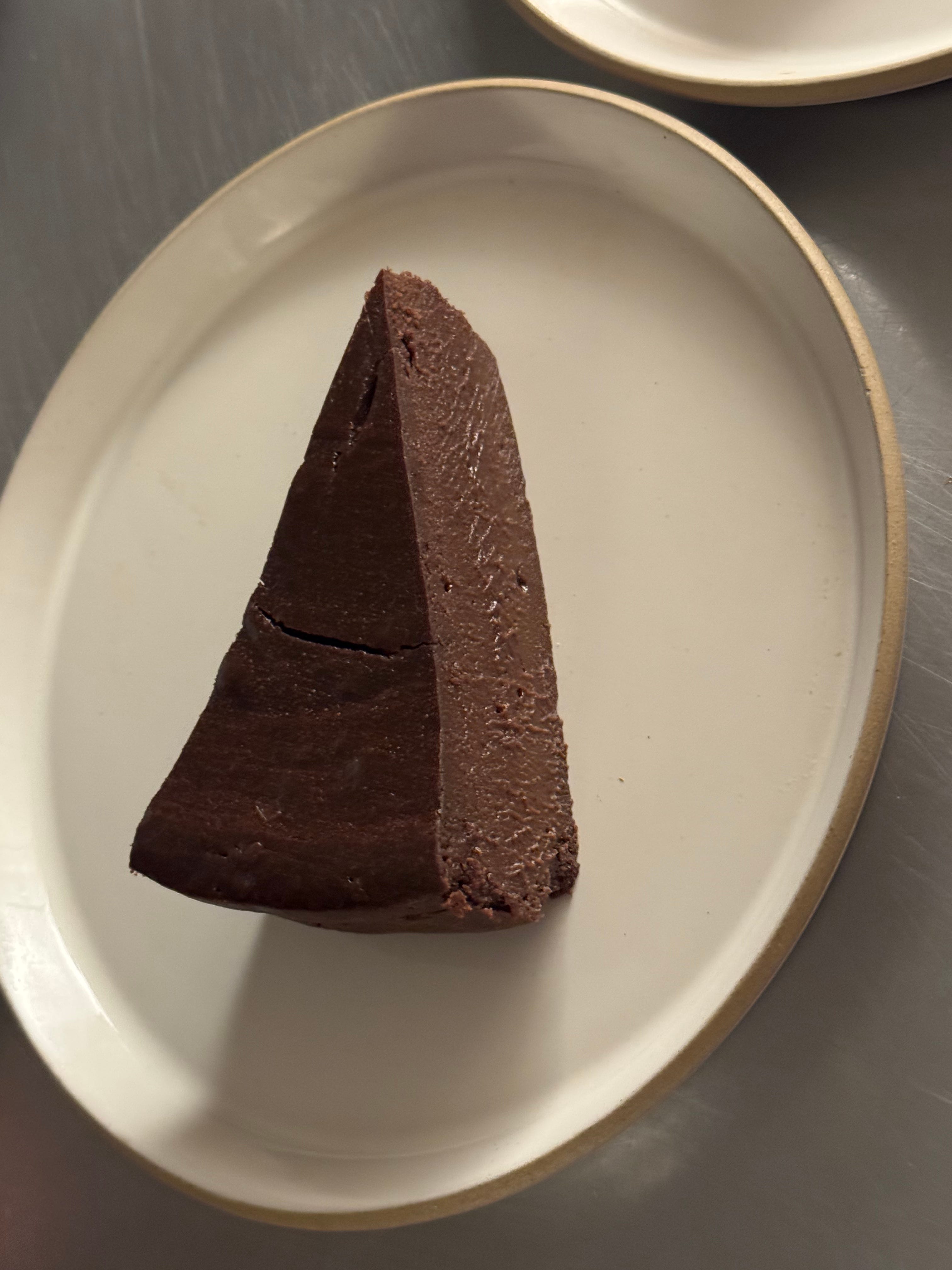
I had mentioned two cakes in my last letter: the Christmas Cake from The King Cookbook, which I had just made and was waiting for it to finish its rest; and a chestnut cream chocolate cake which I was about to make to bring to a dinner. Both cakes turned out spectacularly. I cut thick wedges of the Christmas Cake and wrapped them like bonbons to be delivered to friends. The chestnut cream chocolate cake was just sublime both for a dinner party and also eaten cold out of the fridge the next day (and the day after - it makes a very big cake and only a sliver is really needed per person). Both recipes have been added to the regular holiday roster.


Now for more December highlights:
Reading
ORANGES by John McPhee
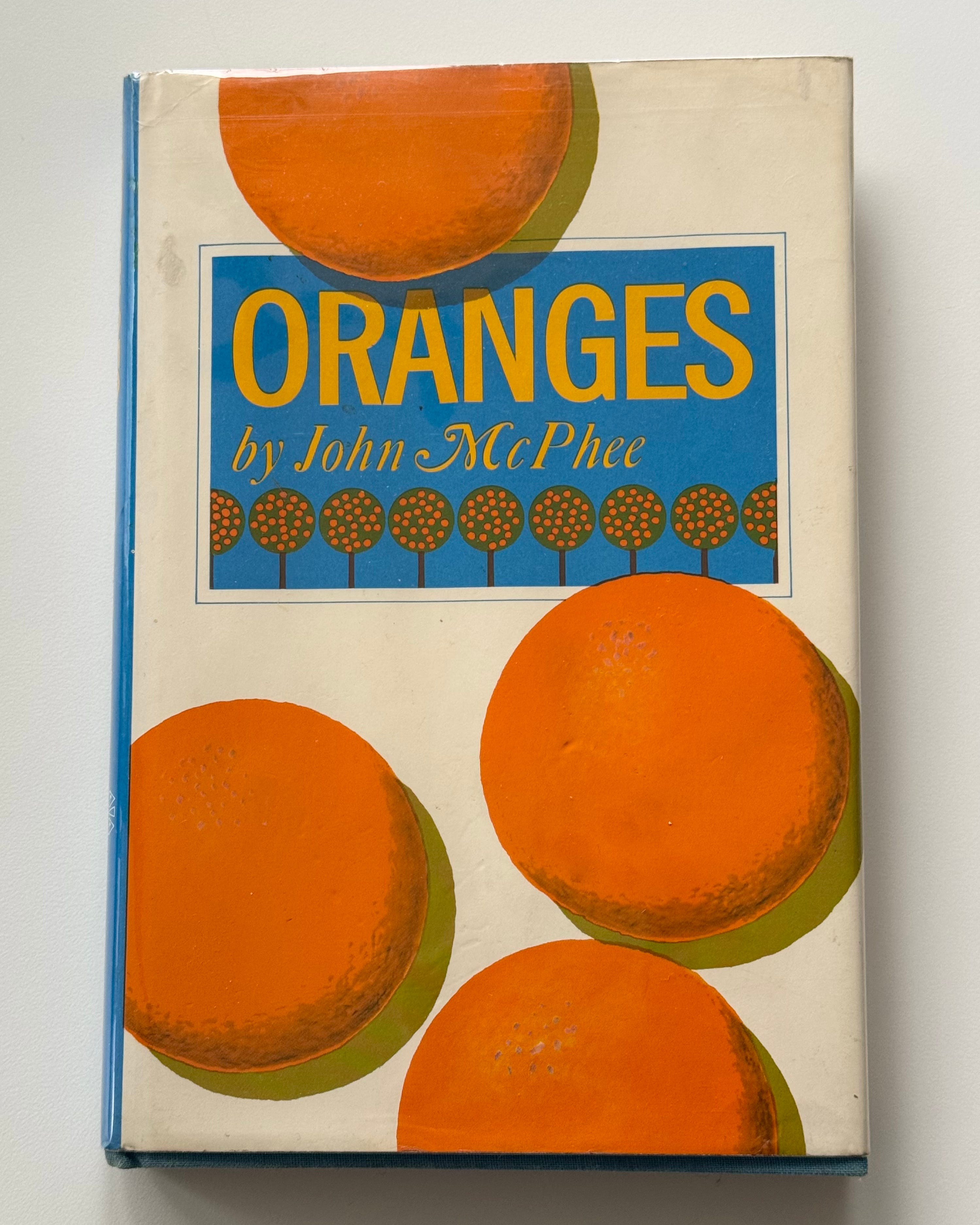
What a perfect time of year, being peak citrus season and all, to read a book titled Oranges, which (you guessed it) is all about oranges. Written by John McPhee in 1967, this is a very pleasurable read, like a long New Yorker piece, which makes sense as McPhee was a staff writer for the magazine. Here are a few things I learned about oranges that particularly interested me:
“The ‘play lunch,’ or morning tea, that Australian children carry with them to school is usually an orange, peeled spirally halfway down, with the peel replaced around the fruit. The child unwinds the peel and holds the orange as if it were an ice-cream cone.”
“The colour of an orange has no absolute correlation with the maturity of the flesh and juice inside. An orange can be as sweet and ripe as it will ever be and still glisten like an emerald in the tree. Cold - coolness, rather - is what makes an orange orange.”
“A single citrus tree can be turned into a carnival, with lemon, limes, grapefruit, tangerines, kumquats, and oranges all ripening on its branches at the same time.”
Orange trees can grow on lemon roots and vice versa.
In the 1500s, dinner guests could measure how important they were to their hosts by the number of oranges that came to the table. A sixteen-course dinner menu from 1529 given by the Archbishop of Milan: caviar and oranges fried with sugar and cinnamon, brill and sardines with slices of oranges and lemon, one thousand oysters with pepper and oranges, lobster salad with citrons, sturgeon in aspic covered with orange juice, fried sparrows with oranges, individual salads containing citrons into which the coat of arms had been carved, orange fritters, a soufflé full of raisins and pine nuts and covered with sugar and orange juice, five hundred fried oysters with lemon slices, and candied peels of citrons and oranges.
Seventeenth century Frenchmen liked to pummel oranges and heat them over glowing coals, to extract as much juice as possible - they particularly liked to pour the juice over their roasted chestnuts.
In the fifteenth century, a gift of two dozen oranges was considered a declaration of love.
Limes were used cosmetically by ladies of the French court in the seventeenth century, who “kept them on their persons and bit into them from time to time in order to redden their lips.”
Like something straight out of a Richard Scarry book, “Tropicana used to ship orange juice by sea from Florida to New York in a glistening white tanker with seven hundred and thirty thousand gallons of juice slurping around in the hold. […] For guests of the company, the ship had four double stateroom and a gourmet chef […] [T]o sailors of the merchant marine, it was the most attractive billet on the high seas […] there was almost no work to do. White as a yacht, the ship would glide impressively past Wall Street and under the bridges of the East River…”